

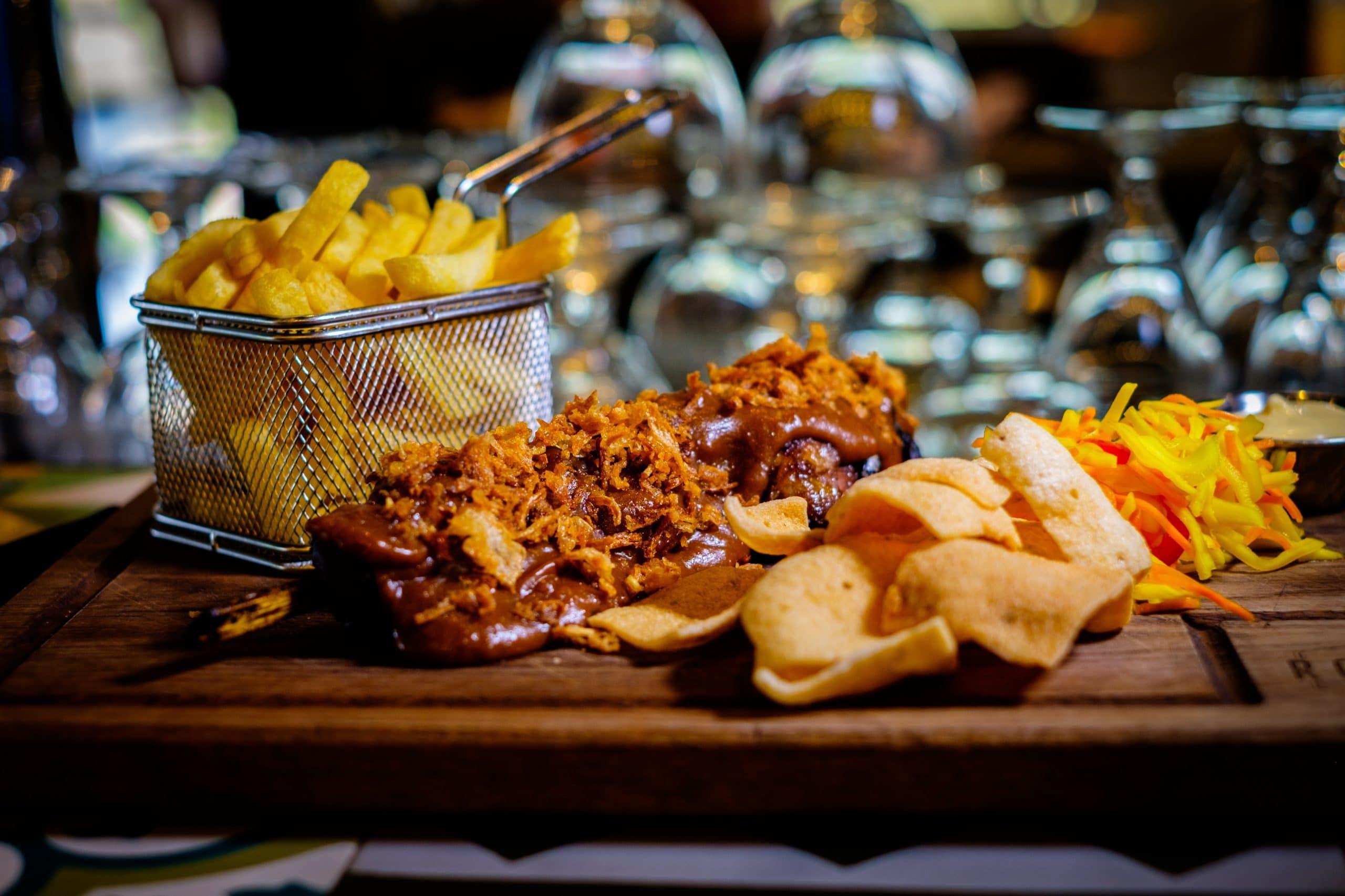
The Western diet is high in fat. Many everyday meals are energy-dense, often highly processed, and contain significant amounts of fat: pizza, fried foods, and ready-made meals. And it all adds up.
What has long been underestimated: The consequences don’t just manifest as obesity or metabolic disorders. The negative effects of a high-fat diet seem to begin much earlier—right in the gut. There, it affects gut immunity, meaning the interaction between the gut barrier, immune cells, and the gut microbiota.
Fat acts faster than you think
And unfortunately, damage can occur after just a short time. A recent preclinical study suggests that just a few days of “fatty meals” are enough to impair key immune functions in the gut—at least in mice.
The focus is on so-called ILC3 cells. They are crucial for a stable intestinal barrier and control how closely the contact between intestinal contents and the immune system is regulated. It is precisely these cells that are sensitive to fat: their numbers decline rapidly. At the same time, the intestinal barrier becomes more permeable, and inflammatory processes increase.
A protective system is thrown off balance
As a possible explanation, the researchers describe an interplay between inflammatory signals from the gut microbiota and metabolic stress in the immune cells. The exact processes are complex—but what is crucial is that the very cells that are supposed to stabilize the barrier are the ones being compromised.
At least: The data suggest that these changes can, at least partially, be reversed. The immune system in the gut thus appears to be not only sensitive but also adaptable. One more reason to start thinking about a healthy diet as soon as possible.